Puzzle of a Downfall Child, Oklahoma Crude
Puzzle of a Downfall Child (12/16/70)
Fashion photographer Jerry Schatzberg makes his feature debut by going Bergman, anatomizing the psychic crackup of a model played by Schatzberg’s erstwhile fiancée, Faye Dunaway. The picture seems terribly well-informed in its details about the bitchiness of booking gigs and surviving shoots with catty photographers, and there’s a certain knowingness about the fragility of Dunaway’s figure, who keeps flashing back to traumatic sexual encounters starting when she was a teen. But it’s not compellingly structured, framed by tape recording sessions with Dunaway’s truest friend Aaron, a photographer who pines for her but can’t have her. The skittish story steamrolls toward breakdown scenes in sterile white sanitorium rooms, with Dunaway silent-screaming in slo-mo.
Dunaway almost holds it together, the center of every scene, skating between assurance and near-paralyzing apprehension. She’s a natural in the shoots, while also revealing fissures; even a peculiar closeup of her mouth reveals lips ever-so-gently atremble. It’s is a great workout of sorts for her Evelyn Mulwray in Chinatown, a flintier survivor in a noir caper chiseled in stone. This is wispy, with a screenplay by Carole Eastman (going, as she did with Five Easy Pieces, by Adrien Joyce in the credits) that provides Dunaway’s character with lots of erratic behavior, flickers of backstory, but too little present-tense drive.
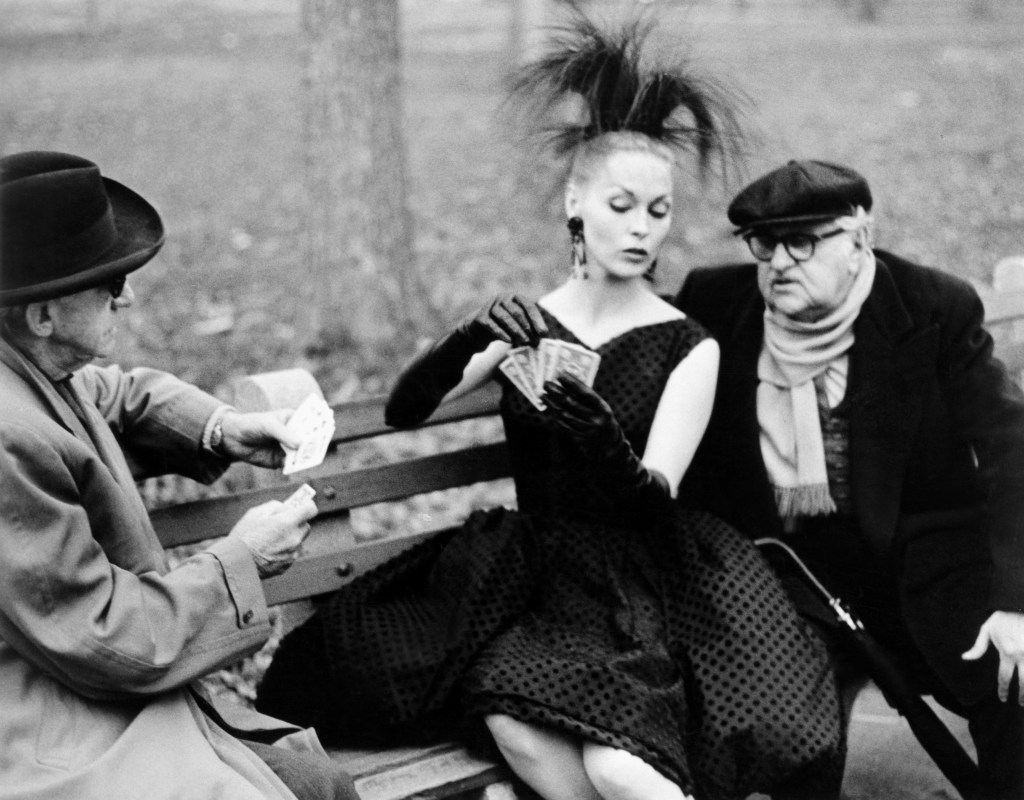
Schatzberg knows his subculture and keeps probing the anxious vibe, with Dunaway spilling her feelings to doctors and psychiatrists and to Aaron, early on as a colleague and flame and later as a pal who wants to write based on her memories. (Aaron, played by Barry Primus with grim focus, is clean-cut early and shaggy in the later scenes, looking not unlike Bob Dylan as photographed by Schatzberg for the LP cover of Blonde on Blonde.) Schatzberg would take on another subculture with next year’s The Panic in Needle Park, keeping his lens close to another emerging superstar, Al Pacino. Dunaway is controlled, expert, acute, unveiling a model’s trunkful of poses and attitudes, cocksure and vulnerable, turning on a dime. But the project is a garment lacking shape. You can watch it with Sunday Bloody Sunday, or Klute, or Dunaway in The Thomas Crown Affair, but the laser narrative/cinematic edge of those works may make you impatient with this.
Oklahoma Crude (7/4/73)
Faye Dunaway is a hard-edged frontier woman intent on making it on her own against murderous Big Oil; unlike rancher Jane Fonda in Comes a Horseman (1978) similarly battling Big Oil, she’s a wildcatter drilling her own well. John Mills is her detested but dogged father (the Richard Farnsworth role in Horseman, likewise doomed); Jack Palance is menace incarnate (the Jason Robards role in Horseman) as Big Oil’s dapper, cigar-stroking henchman; and George C. Scott has the James Caan Horseman part as the hired hand, only Scott has a slightly madcap glint as a bottom-feeding opportunist.
Produced and directed by Stanley Kramer from a script by Marc Norman (later an Oscar winner for Shakespeare in Love), the movie has none of the visual interest of the Alan Pakula-directed, Gordon Willis-filmed Horseman, and outside of Scott, not much is funny, and the melodrama is by the numbers. But Dunaway is interesting. Like Fonda, she has a backstory looming behind the anger and brisk efficiency as she bears down and runs the well. Unlike Fonda, Dunaway doesn’t get a showy explanatory scene. Instead, she sticks to her business, and she’s clearly good at it — independent, accomplished, able to put up with the extra obstacles the man’s world throws at her, even if she’s clearly not happy about it. (The movie is barely “about” anything in the larger, Kramerian sense; this theme is as good as it gets.) Norman gives the character a very few quippy insults putting down the men, like “wouldn’t know your balls from teabags,” and Dunaway lands them sincerely. It’s a Dunaway strength: she’s all business.
Definitely watch, if the point has not been made, with Comes a Horseman: indomitable Dunaway, formidable Fonda.
 Nelson Pressley