Billion Dollar Brain, The Day the Earth Caught Fire
Billion Dollar Brain (12/22/67)
Ed Begley is a Texan wingnut, the ex-general with anti-Commie fervor and a massive, fancy underground computer system (the scenes were shot at Honeywell’s facilities) that’s about to foment an uprising in Latvia, which will topple the U.S.S.R.
“What about Red China?” Michael Caine reasonably asks wild-eyed Begley, who only answers (let’s paraphrase), “Them too!”
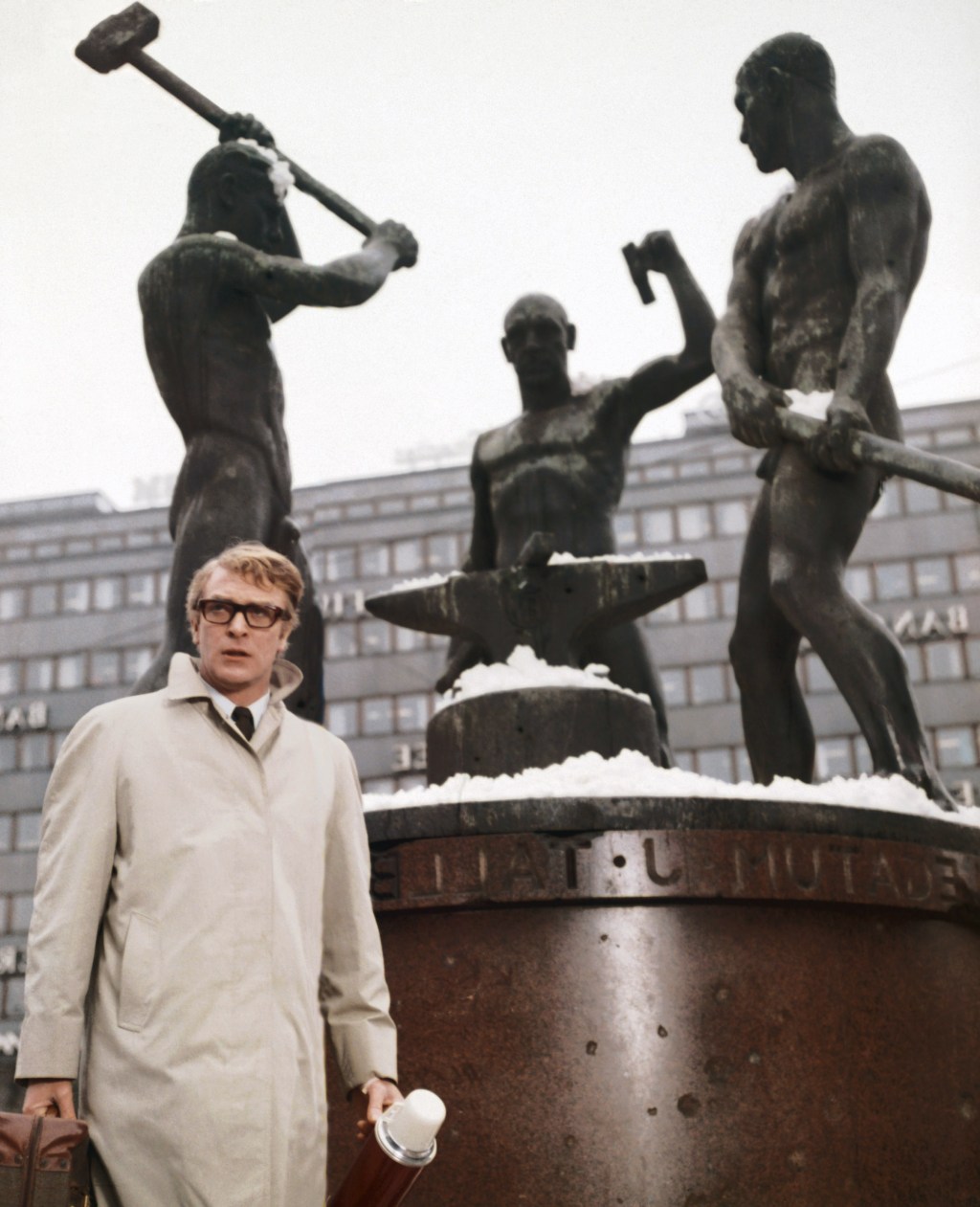
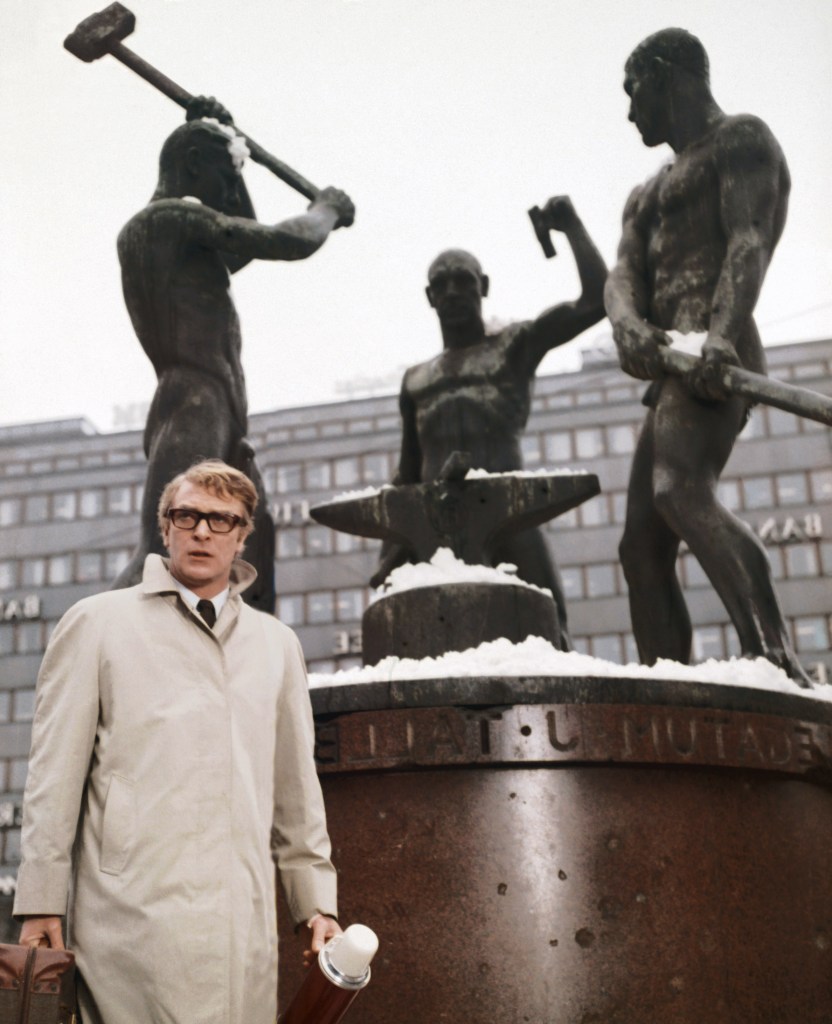
So in a sense, it’s not bad to have the always-excessive Ken Russell at the helm, pumping up the Shostakovich as Begley rants like Il Duce in front of his straight lines of white-uniformed mercenaries, and then as they race across the frozen Baltic Sea toward Riga, a bad battle plan if ever there was one. This third picture in spy novelist Len Deighton’s Harry Palmer series was a bit of a flop after adaptations of The Ipcress File and Funeral in Berlin; it’s way too plotty and knotted with double-crosses, and while Russell cuts together suspense sequences with a certain velocity, the meant-to-be-spectacular climax is a shoddy, indifferent mess. Caine is fine as Palmer, a workingman’s James Bond (the influence of both Ian Fleming and Hugh Hefner on this period of Hollywood Cold War/Sexual Revolution filmmaking is impossible to overstate), but the picture’s strength is the location work in icy Helsinki.
Karl Malden is the jaunty, corrupt American operative playing both sides against the middle; Françoise Dorléac is the alluring Russian, flirty and amused, helping Malden ferry virus-laden eggs across international borders; and Oskar Homolka is the wry Soviet general who’s always a step ahead. The only sequence that really grips the imagination years later is one that seems contemporary, with Begley, as the batshit Texan General Midwinter, chewing the scenery (Russell would come to depend upon this performative scale in his signature 1970s movies) and revving up a crowd at an anti-commie, Nazi-style barbecue-cum-rally, with hellish bonfires blazing high behind him.
“Rise up and fight for what I say is right!” he bellows, with success, even though Caine has already called him “idiot” to his face.
More:
“Oh Lord, I humbly accept the sword of leadership that thou hast thrust upon me.”
“I love my country!”
“Strong! Strong!”
What do you know? The American mob buys it.
The Day the Earth Caught Fire (3/16/62)
A stark black and white climate change picture, a doomed atomic age picture, and a solid newspaper picture (the Fleet Street newsroom and production facilities are real) from English producer-director Val Guest, co-writing with Wolf Mankowitz. Edward Judd plays a snarky London journalist squandering his talent, Leo McKern is his knowing, hard-working colleague, and Janet Munro is a temporary switchboard operator at a government office who overhears the truth about the unusual weather the world has been having. Some places get startling floods, others, rare drought; London experiences a weird, saturating, blinding fog. McKern’s learned character suspects that recent nuclear tests by both the U.S. and the U.S.S.R. have tilted the earth off its axis. What else could explain these particular shifting weather patterns?
Guest and Mankowitz write swift, terse dialogue for the journalists scrambling to get the story, and the picture sometimes has the cadence — though not the high spirits — of His Girl Friday. Guest bustles the action not only through the crowded, purposeful newsroom but also around a London that’s alternately teeming and emptied (the bookend scenes are tinted a rusty, sun-baked orange), though the landmarks are often signposts in not terribly persuasive special effects.
Still, the pace and serious tone do their work. It’s a good picture to watch sixty years on; the nuclear threat, which was primary to Guest, feels less urgent (except, writing this during the first two years of Russia’s 2022 war with Ukraine, on days when Vladimir Putin makes icy threats [jeez, what a world, updating as of 4/9/26 to take in Trump’s batty, genocidal, barely veiled nuke threat vs. Iran]), but the reports of 140 degree temperatures, extreme floods and even tornados in Blighty sound a lot less like science fiction now. Guest imagines such consequences as water rationing and unrest in public parks that become strictly regulated washing stations, but the strength of the story is learning along with the newsroom, where guiding signs on the walls exhort the reporters.
IMPACT!, the biggest slogan reads, next to Get it in the first sentence! Get it in the headlines! And in photos most of all! (These details are accurate. At one point when I was working for the Washington Post, the pooh-bahs’ imperative to the newsroom was Innovate, with one of the signs to that effect planted by the doors to the Style section. Naturally, some wag “innovated” by flipping the sign upside down.)
If the performance of the editor seems slightly wooden, it’s because Arthur Christianson was not an actor, but was the longtime editor of the Daily Express. Stiff he may be, but when he barks orders on deadline you’re inclined to march. Watch with the equally stark atomic age 1964 Fail-Safe, or with the 1959 post-apocalyptic race drama The World, The Flesh and The Devil.
 Nelson Pressley